WE BUILD
CLEAN ENERGY
PROJECTS
THAT MAKE LAND
WORK AGAIN.

Creating power,
new revenue streams,
and long-term value
for the people nearby.

RESPECT THE LAND
AND THE LOCAL COMMUNITY.

Because if something is going to last, it has to make sense locally.

Our team’s approach is shaped by their decades of building clean energy projects that create lasting value over time. Every site is different, so we start by understanding how our project will be compatible with the community and the land around it. Then we take a customized approach that is the right system for the conditions that exist.

Early on, we bring people together: landowners, neighbors, community leaders, and local government. Because projects move forward when everyone is aligned.

When that happens, the land doesn’t just produce energy. It takes on a new and valuable role within the community.
RESPECT THE LAND
THEN MAKE IT WORK.

This approach creates benefits that extend beyond the project.
To local communities, local economies, and the land itself.

Jobs created. Local investment and new opportunities for local businesses, as well as a stronger tax base. Not someday, but now. During construction and operations, and long after.

These aren’t projections. They’re outcomes our team has delivered across the many acres of land that we’ve build our projects on.

13,000 Working
Acres*
* Total acreage working to generate energy and revenue for communities
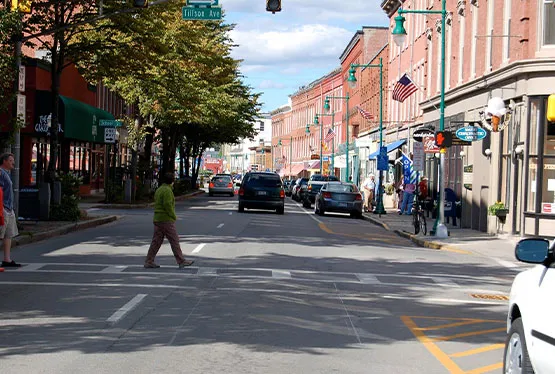
Boston Main Street

We create power where it’s needed. Strengthening the existing system and decreasing dependence on far-away supply.

Built to support power needs while assuring economic growth.

More Than 8,500MW
Clean Energy*
* Collective projects developed, engineered and operated by the Teichos team
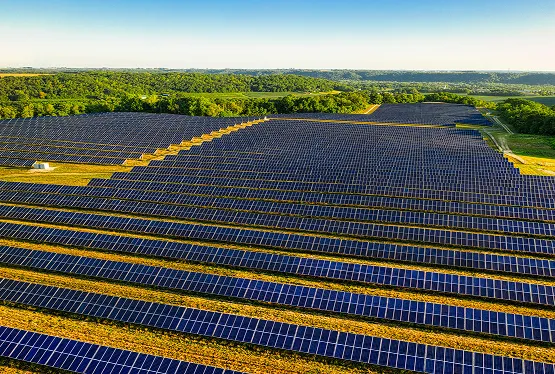
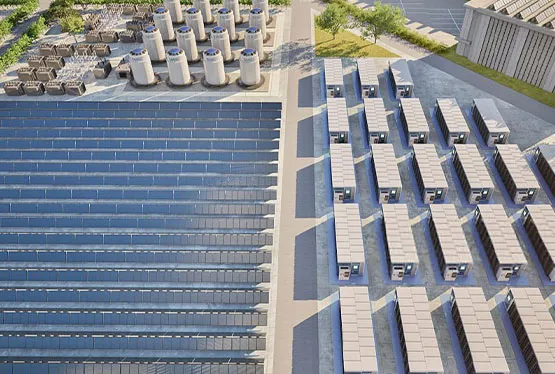
Rows of solar panels from a bird's eye view

Ongoing revenue for landowners and communities. A foundation for future growth. Not a one-time transaction.

Our activities create significant investment in the land.

More Than
$500 Million*
 * Dollars allocated to project development
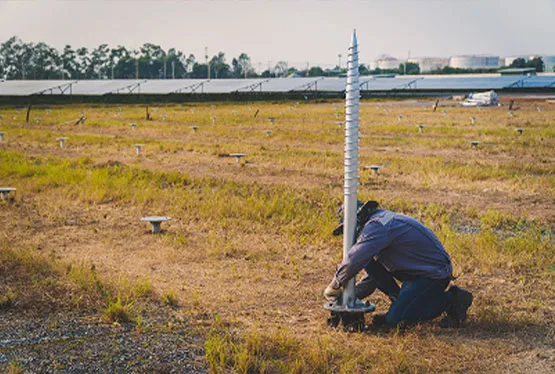
Someone putting up a drilling pole

What’s already here isn’t an obstacle. It’s part of the plan.

We maintain habitat where it matters. Protecting the watershed, supporting existing uses like grazing and hunting, and making the health of the land a priority throughout.

2,000 
Acres*
* Land that we’ve put into conservation and mitigation
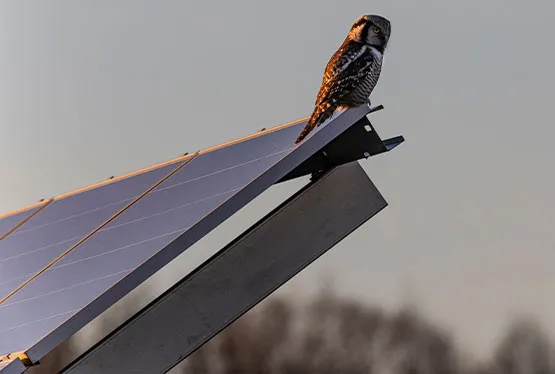
Owl perched on a solar panel

MORE THAN
CLEAN ENERGY.
HEALTHIER LAND.

A solar site that tracks the sun can do more than generate electricity.

Hover over each panel for more information!
4.5 +_60° Clearance of 4.5’ off the ground at center of rack Tracking limit for the panels +/- 60 Overall 120° full axes track rotation as panels follow the sun Crops and pollinator plants exposed to direct sunlight  NATIVEVEGETATION WETLANDPROTECTION POLLINATORHABITAT SOILRESTORATION LESS EROSION &RUNOFF WILDLIFE HABITAT CONTINUEDENERGYPRODUCTION

Panels track the sun throughout the day, exposing the ground to significant amounts of light

NATIVE VEGETATIONNative plantings help the land recover while supporting long-term ecological health. WETLAND PROTECTIONHealthy wetlands protect water, support wildlife, and strengthen the landscape around them. POLLINATOR HABITATNative flowering plants create habitat for bees, butterflies, and other important pollinators. SOIL RESTORATIONHealthy soil lays the foundation for healthier ecosystems and more productive land over time. LESS EROSION & RUNOFFPermanent ground cover helps protect soil, slow runoff, and keep nearby waterways cleaner. WILDLIFE HABITATWorking landscapes can support birds, wildlife, and clean energy at the same time. CONTINUED ENERGY PRODUCTIONRestored land keeps working, producing reliable clean energy for decades to come.

WHAT WE BUILD.

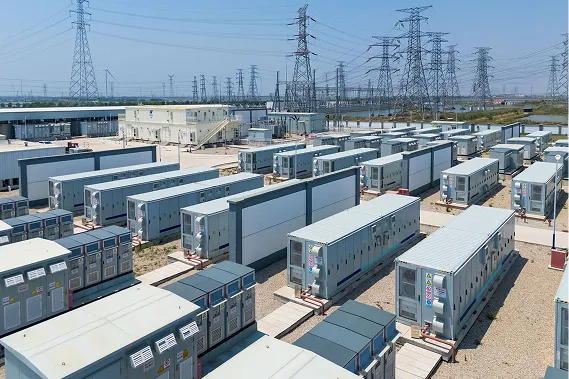
No two sites are the same and what gets built depends on the land, the grid, and regional demand. That might mean restoring damaged land, developing utility-scale clean energy, or bringing power generation and storage closer to where it’s needed. Every project is designed to create lasting value where it’s built.

Some land comes with a history. Former coal sites often face environmental damage, safety risks, and few productive uses.

We restore those sites and prepare them for utility-scale solar, transforming them into long-term clean energy assets. The result is new power, new jobs, local revenue, and lasting economic value.

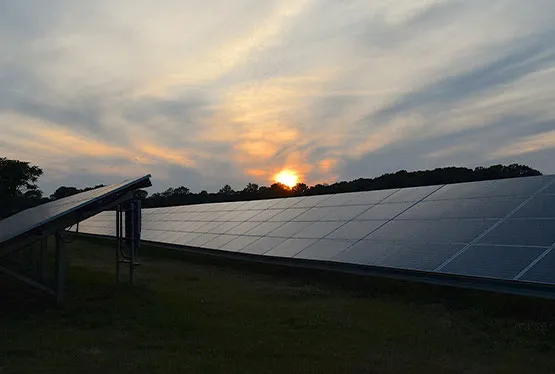
Solar panels with a sunset in the background

A STRATEGIC FOCUS THAT WORKS.

What connects the projects we undertake is a consistent approach to places where land, infrastructure, energy demand, and long-term local value can align.

Our projects take different forms — reclaimed mine land in Appalachia, working timberland in the Northeast, infrastructure sites closer to demand — but the underlying question is always the same: what can this place support, and how can it work better over time?

COAL-TO-SOLAR

Former mine land can support clean energy generation while creating local revenue, construction activity, environmental restoration, and a more resilient regional energy system.

Construction people standing in front of some trucks at a site

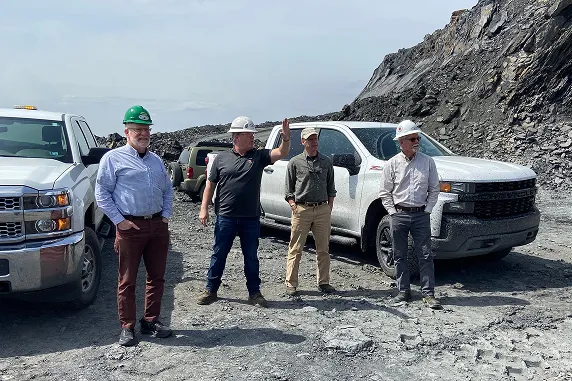
Across Appalachia, former coal and mine lands carry both an industrial legacy and an opportunity for renewal. Many of these sites face environmental challenges, safety concerns, and limited paths toward productive reuse.

Our work starts with the realities of the land itself: stabilization, reclamation, water and soil conditions, permitting, interconnection, and community priorities. From there, utility-scale solar creates a new long-term role for land that has already carried the burden of energy production.

Our site in Audenried, Pennsylvania is one example of that approach — showing how former mine land can support clean energy generation while creating local revenue, construction activity, environmental restoration, and a more resilient regional energy system.

HOW LAND
STARTS WORKING
AGAIN.

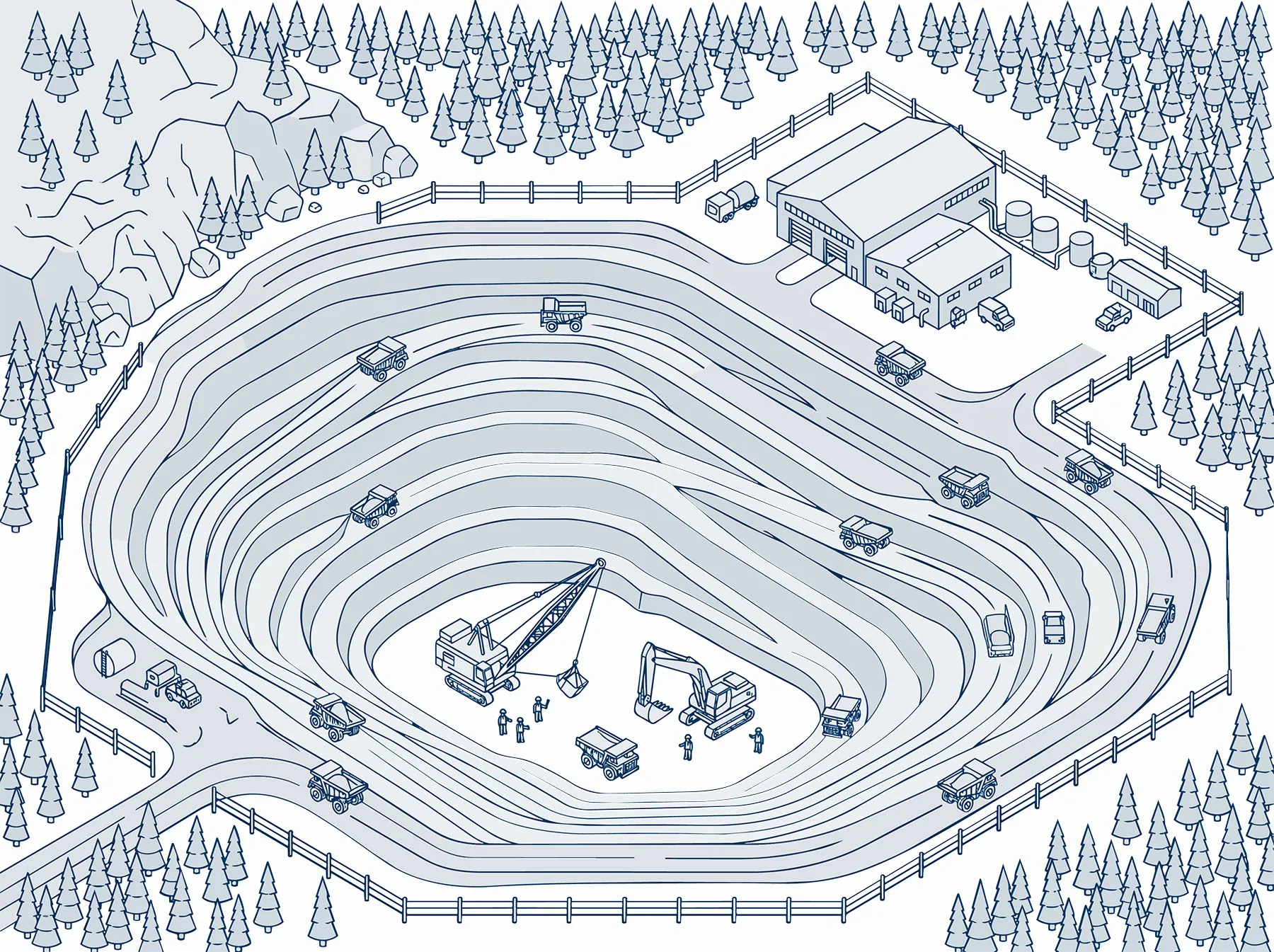
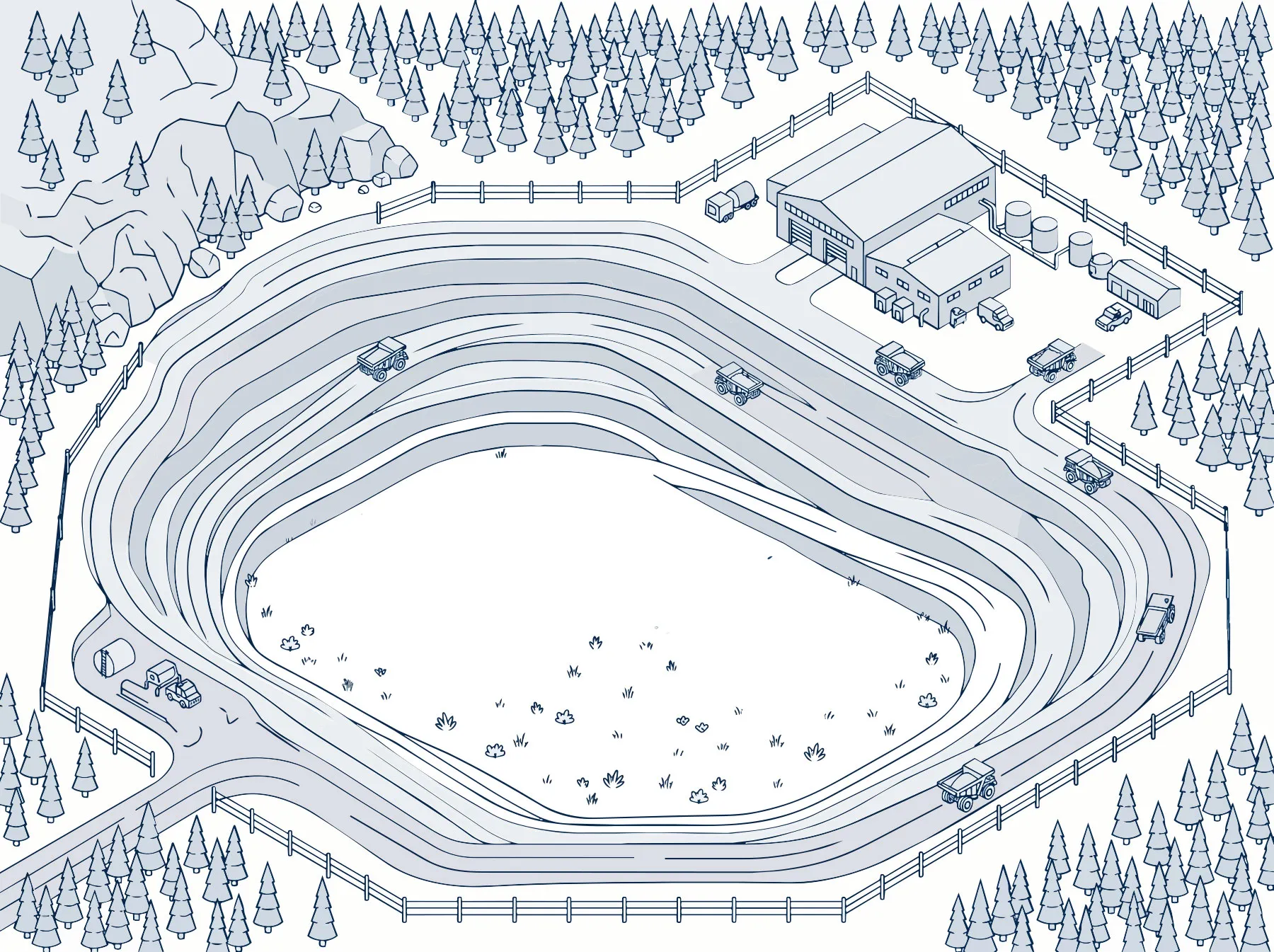
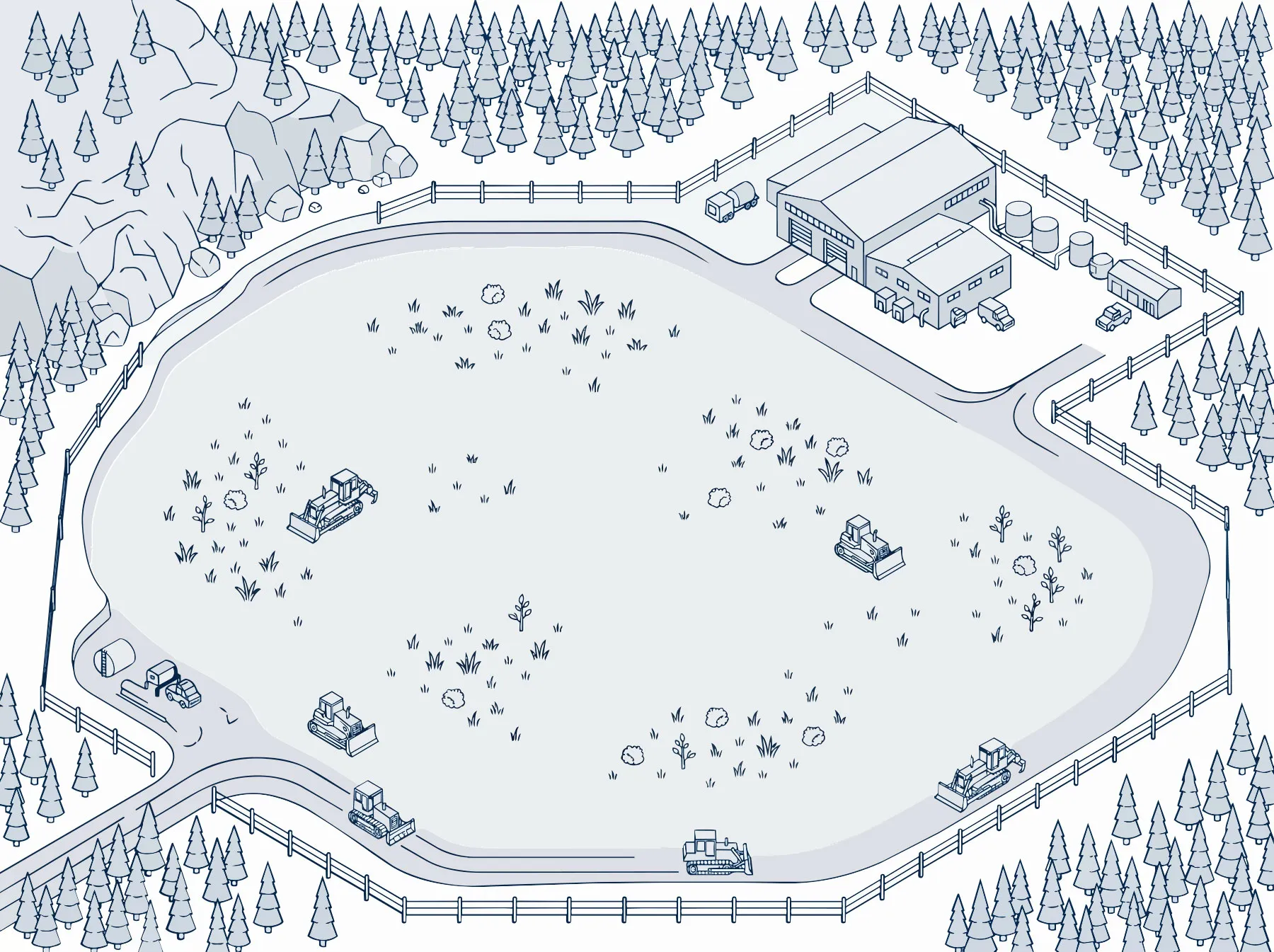
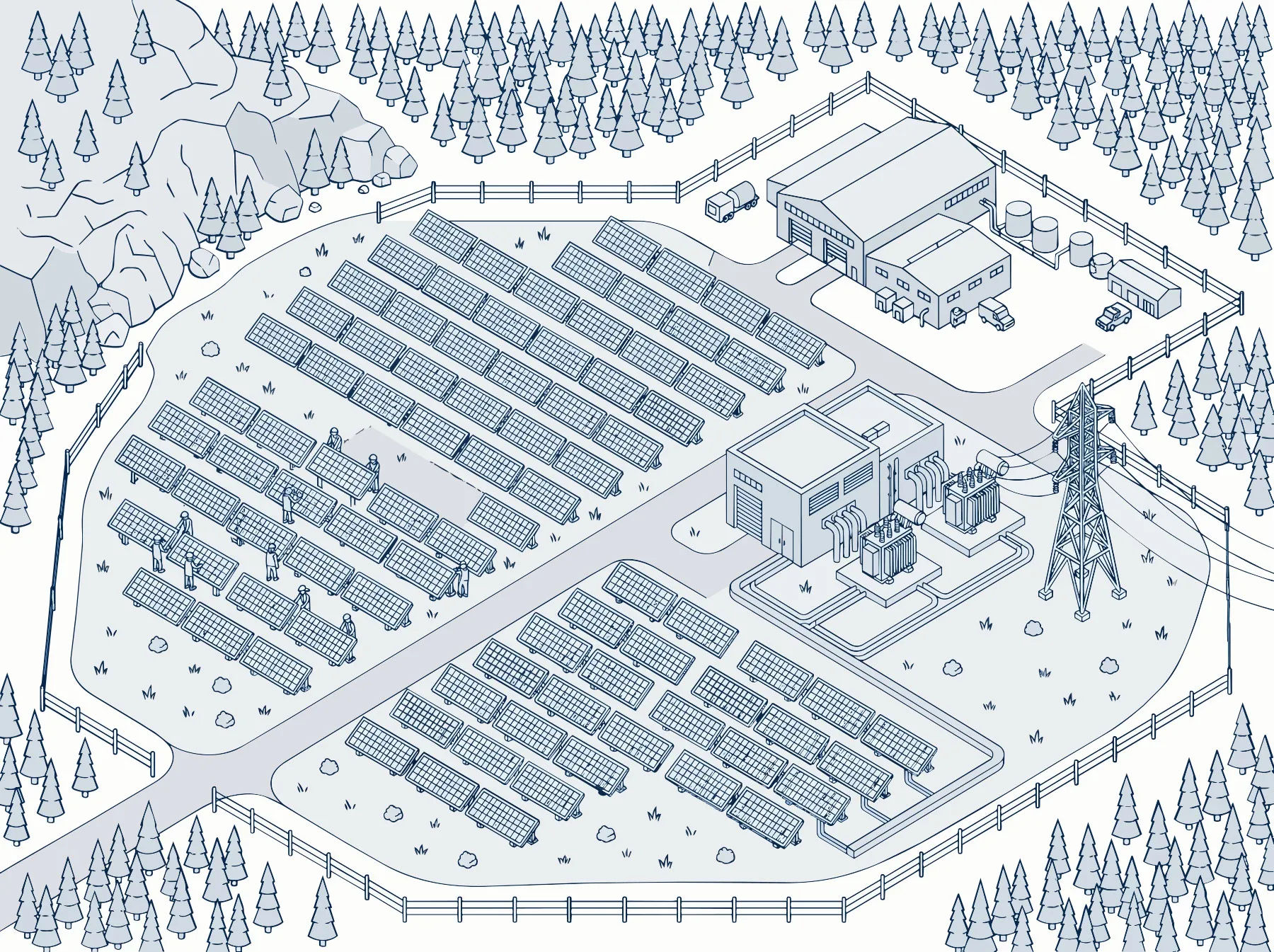
We’ve been developing an innovative coal-to-solar program, where we take land that was once productive and has fallen into decline and has become an environmental challenge. With the help of the Federal Government’s Bureau of Mine Reclamation, we’re repurposing the land in and around strip mines to once again be an important source of energy.

Step 1: Before
Before

Abandoned Mine Acreage

Underused Corridor

Fallow Agricultural or

Industrial Land

Step 2: During
During

Remediation

Engineering

Alignment

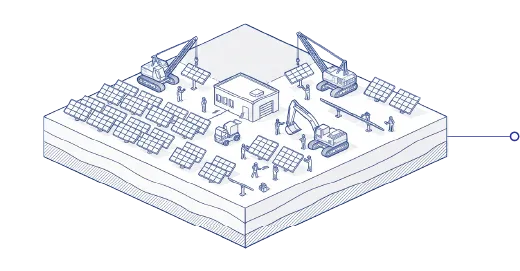
Construction

Step 3: During
During

Remediation

Engineering

Alignment

Construction

Step 4 - After
After

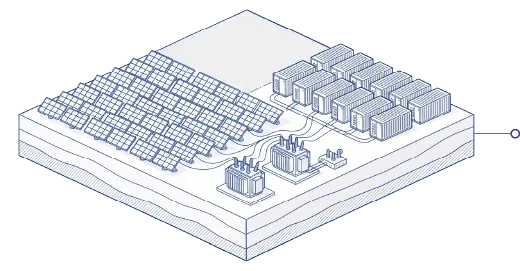
Energy Generation

Local Tax Revenue

Jobs

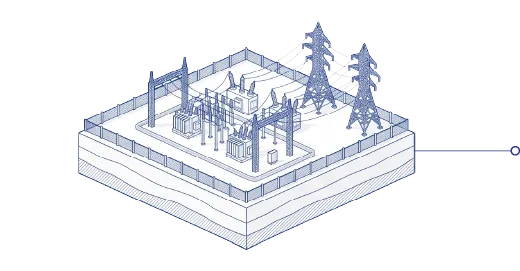
Stronger Grid

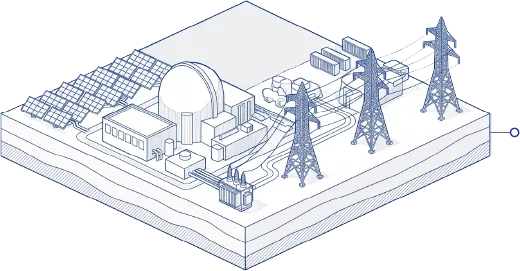
Restored Habitat

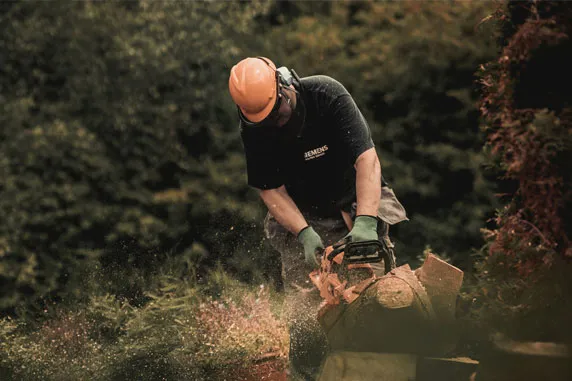
WORKING TIMBERLANDS

We work with major landowners like Weyerhaeuser to identify where large-scale solar can fit within that existing use.

A person sawing wood with a chain saw

In North America, large timberlands are already working landscapes — supporting forestry, recreation, wildlife habitat, and long-term stewardship across rural communities.

We work with major landowners like Weyerhaeuser to identify where large-scale solar can fit within that existing use. The goal isn’t to replace the land’s role, but to add another one: long-term energy generation in places where land access, grid proximity, and regional demand make development viable.

Done responsibly, these projects create stable revenue for landowners, strengthen local tax bases, support schools and infrastructure, and add needed clean power capacity without competing with prime agricultural land or more intensive existing uses.

OUR PROJECTS

We see potential in land that others might overlook, and we know how to bring that potential to life in a way that works for everyone involved.

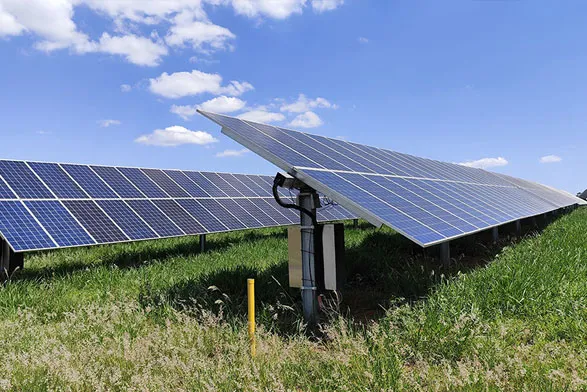
Rows of solar panels in a grass field from a lower perspective

Audenried transforms former coal mine lands into productive energy infrastructure. By pairing land reclamation with utility-scale solar development, the project demonstrates how sites with an industrial past can generate clean electricity while supporting environmental restoration, local jobs, and long-term economic value.

Pattersonville Solar reflects Teichos’ approach to thoughtful greenfield development, carefully matching land, grid access, and regional electricity demand to create utility-scale clean energy that fits both the landscape and the needs of the surrounding community.

Jackson Center Solar highlights Teichos’ ability to bring together landowners, financing partners, and energy infrastructure to deliver utility-scale solar generation. The project demonstrates how strong partnerships can accelerate development while creating lasting value for both the region and the electric grid.

Hannacroix Solar is helping expand New York’s clean energy capacity through a partnership with the New York Power Authority. The project demonstrates how strategically located solar generation can strengthen the grid while supporting statewide renewable energy goals and delivering long-term community benefits.

THE ECONOMY RUNS ON ELECTRICITY.

And the infrastructure to support it must be built now.

RISING DEMAND & RISING PRICES

ISO-NE
18%

New Hampshire Increase in Monthly Residential Energy Prices1

17%

ISO-NE Demand Increase by 20332

NYISO
12%

New York Increase in Monthly Residential Energy Prices3

>50%

NYISO Demand Increase by 20424

ISO-PJM
14%

Pennsylvania Increase in Monthly Residential Energy Prices5

17%

PJM Demand Increase by 20396

NY IN MI OH MD IL PA KY ME TN WV NC VA NH VT MA NJ DE CT

THE NEXT FIVE YEARS

More than 80–90% of new technologies today depend primarily on electricity, and in many industry sectors the figure is effectively 100%. To generate this power every source of energy has a role to play, and solar is expected provide more than any other type of generation in the immediate future.

AMERICA NEEDS MORE ELECTRICITY

Over the next two years as new demand for power is expected to soar, solar will be the fastest-growing source of U.S. electricity generation.7

SOLAR ADDS CAPACITY FASTEST

Solar alone is expected to account for more than half of all new generating capacity added in 2025.8

BATTERY STORAGE STRENGTHENS THE GRID

Solar and battery storage account for 81% of planned new U.S. generating capacity additions in 2025.9

BUILDING TOWARD THE FUTURE

Utility-scale solar is the fastest-growing and lowest-cost alternative to meet our growing demand, while remaining the lowest-cost new source of electricity generation despite recent cost increases.10

America’s next era of growth will be powered by electricity. Teichos is helping to build the electric capacity needed to power our future.

1 New Hampshire Public Radio, Electricity prices are about to go up in NH. Here’s why. 2026.
2 ISO New England. 2024 Capacity, Energy, Loads, and Transmission (CELT) Report, 2024.
3 Empire Center, Energy Data Bulletin, 2026.
4 New York Independent System Operator. Power Trends 2025, 2025.
5 Independent Fiscal Office, Pennsylvania Electricity Update, 2026.
6 PJM Interconnection. 2024 PJM Long-Term Load Forecast, 2024. 7 Source: U.S. Energy Information Administration, Today in Energy, January 2026.
8 Source: U.S. Energy Information Administration, Today in Energy, August 2025.
9 Source: U.S. Energy Information Administration, Today in Energy, February 2025.
10 Source: Reuters, "Solar costs jump 18%, but remain the cheapest generation to build, Lazard says," July 13, 2026.

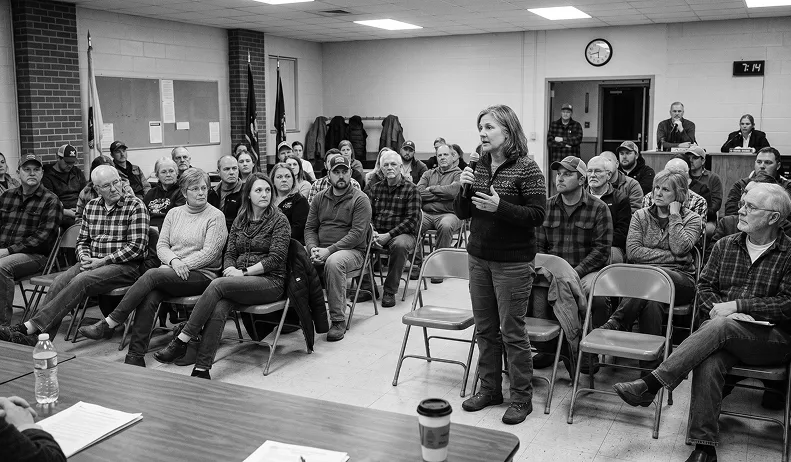
THIS WORKS BEST WHEN PEOPLE ARE ALIGNED.

Projects hold up when alignment happens. Landowners, communities, partners, and policymakers all bring a different perspective to the table. We try to align those perspectives and build from there.

Person standing and speaking in front of a community gathering

Projects only become a reality when they make sense for the people around them.

That means listening early, understanding local priorities, and making sure the benefits — jobs, tax revenue, long-term investment — are real and visible. Not promised, but delivered.

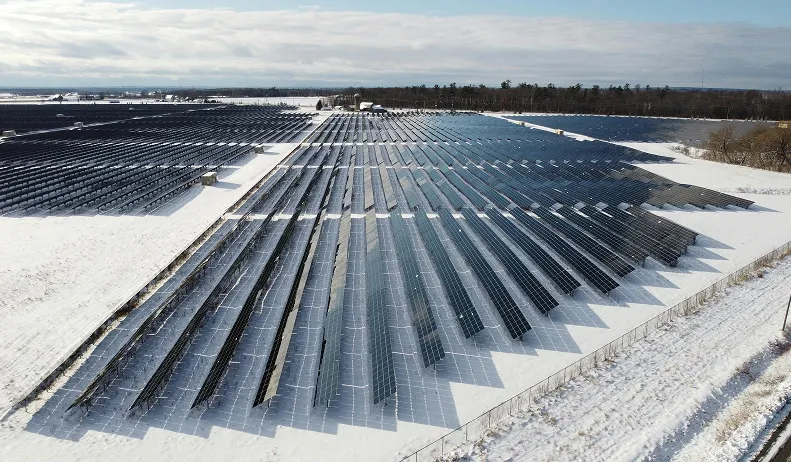
Solar farm

The land is the starting point.

We work with landowners to understand how their property is used today — and how energy generation can fit. The result is a long-term asset that produces steady revenue while respecting the land.

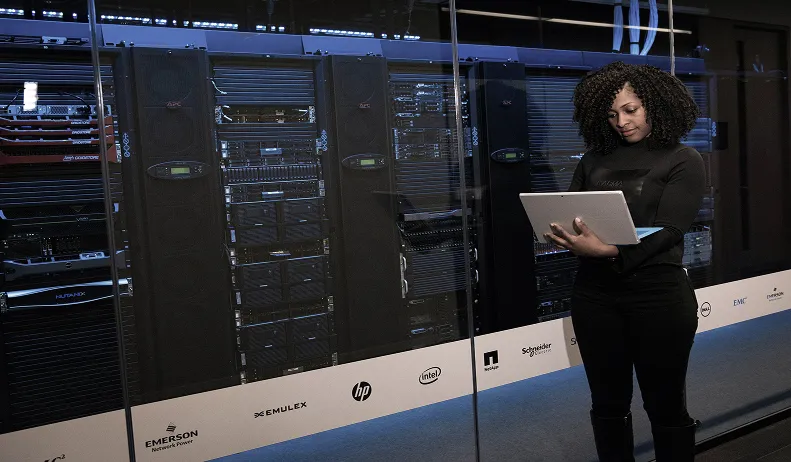
Person working in front of servers

Where development takes place, we offer a solution that enables the industrial developer the opportunity to have on-site power.

So we partner with businesses to locate and develop power where it’s needed — supporting growth, improving reliability, and aligning energy supply with on-the-ground demand.

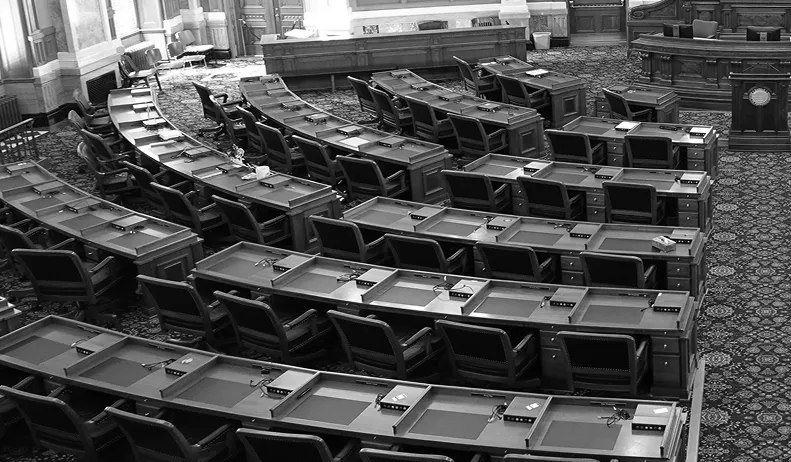
An empty parliament

Energy projects don’t happen in isolation. They’re shaped by policy, regulation, and public priorities.

We work closely with state and local partners to navigate those frameworks — aligning projects with broader goals around infrastructure, resilience, and economic development.

Wall Street Facade

Successful projects require long-term thinking.

We work with capital partners who understand that value comes from getting the fundamentals right. Site selection, alignment of stakeholders, efficient execution, along with the infusion of adequate capital, are the core ingredients of a winning approach.

WHO WE WORK WITH SAYS A LOT ABOUT WHO WE ARE.

Over time, we’ve built long-term relationships with companies and government ranging from major energy and infrastructure organizations to local groups working directly on land restoration, reclamation, and regional economic development.

EXPERIENCE THAT
SHOWS UP IN THE WORK.

The way we approach each project comes from experience. Working across different regions, conditions, and communities. Learning what holds up over time.

The Teichos team has worked together for decades. Before Teichos, we built Ridgeline — an early leader in developing clean energy. Our projects were developed in different markets, different economic cycles, and across changing technologies. In places where alignment mattered as much as engineering.

Over time, a few things became clear: Projects only work when they make sense locally. Alignment isn’t something you fix later. And there’s no one-size-fits-all solution.

That perspective is shared by a team with deep, cross-disciplinary experience, spanning development, engineering, finance, environmental strategy, utility coordination, and long-term operations.

IN THE NEWS

Coverage, announcements, and conversations around the work we’re doing.

April 2, 2026

State Power Authority to buy New Baltimore solar farm once it’s completed 

The Daily Gazette

Teichos' Hannacroix Solar project reached an important milestone with the announcement that the New York Power Authority (NYPA) will finance the project's remaining development, construct the facility, and acquire it upon completion. The agreement underscores growing public-sector confidence in projects that strengthen the grid while expanding access to clean, affordable electricity.
Link to Article
April 1, 2026

NYPA Announces Development Support of Hannacroix Solar, a 5-MW Renewables Project in Greene County

North American Clean Energy

North American Clean Energy details the agreement between NYPA and Teichos to advance the Hannacroix Solar project from development through construction. The project reflects New York's efforts to accelerate renewable energy deployment while building a more resilient electric grid for the future.
Link to Article
April 1, 2026

5-MW Hannacroix Solar project in NY gets state support

Solar Power World

This industry report highlights NYPA's partnership with Teichos to advance the Hannacroix Solar project in Greene County. The project supports New York's broader renewable energy strategy while helping deliver emissions-free generation and energy bill credits for low-income households through NYPA's REACH program.
Link to Article

IDEAS & QUESTIONS

Every project starts with a conversation. Whether you have land, an idea, a question, or an opportunity worth exploring, we’d be glad to hear from you.


    When you click Submit, we’ll securely store and process the information you provide. Our Privacy Policy explains how we use your data and protect your rights.